

The Hanoon Foundation provides medical students with opportunities to gain practical clinical experience and develop their clinical skills through supervised elective placements.
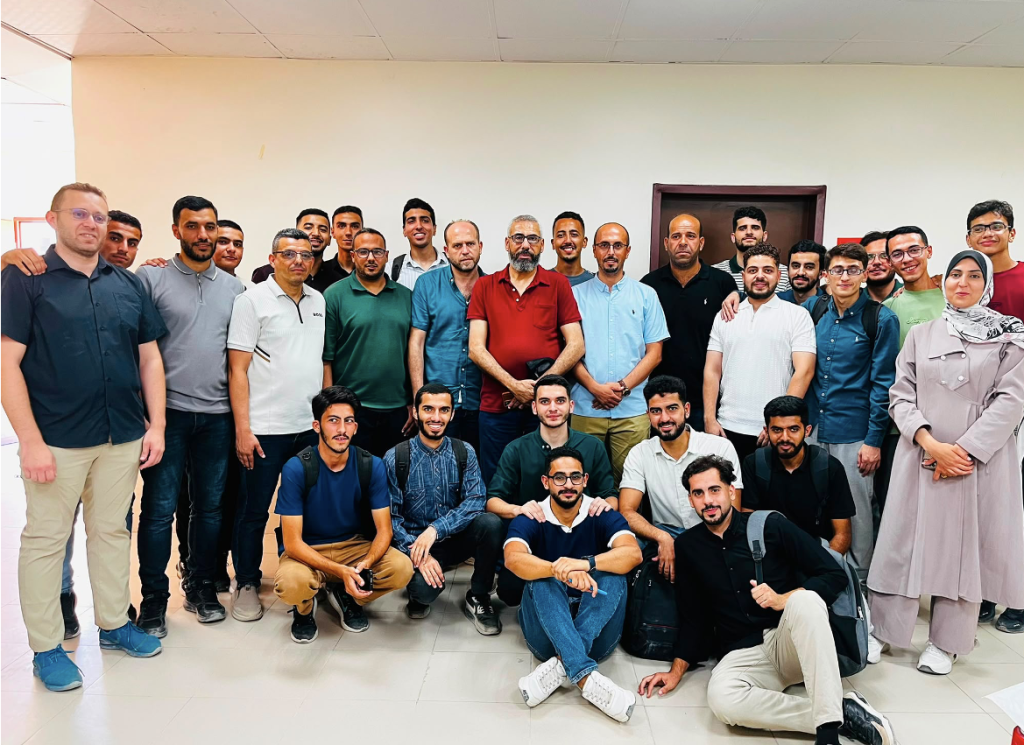
As part of this programme, 13 medical students from Al-Azhar University completed four- to six-week elective placements across a range of hospital departments. Students were selected through a competitive process based on their academic performance and socio-economic circumstances.
The students described how the placements strengthened their clinical knowledge, practical skills, clinical reasoning and decision-making. They highlighted increased confidence in patient assessment and management, improved communication and teamwork, and the opportunity to apply their medical knowledge in a clinical setting under the supervision of experienced consultants and healthcare professionals.
The elective placements took place across a wide range of specialties, including Orthopaedics and Trauma, Maternal and Child Health, Paediatric Surgery, Burns Surgery, Intensive Care, Vascular Surgery, Diabetic Eye Care, Obstetrics and Gynaecology, Interventional Cardiology, Oncology, Nephrology, General Surgery, Internal Medicine and Emergency Medicine.
Below are extracts from the students’ own reflections, highlighting some of the experiences and lessons gained during their elective placements.
1. Haya
During my elective experience in the Orthopaedic Department at Al-Aqsa Hospital, I gained practical experience in the initial management of fractures and musculoskeletal injuries. I learned the principles of fracture immobilisation and assisted in the application of plaster casts, which strengthened my practical skills and increased my confidence in managing orthopaedic cases.
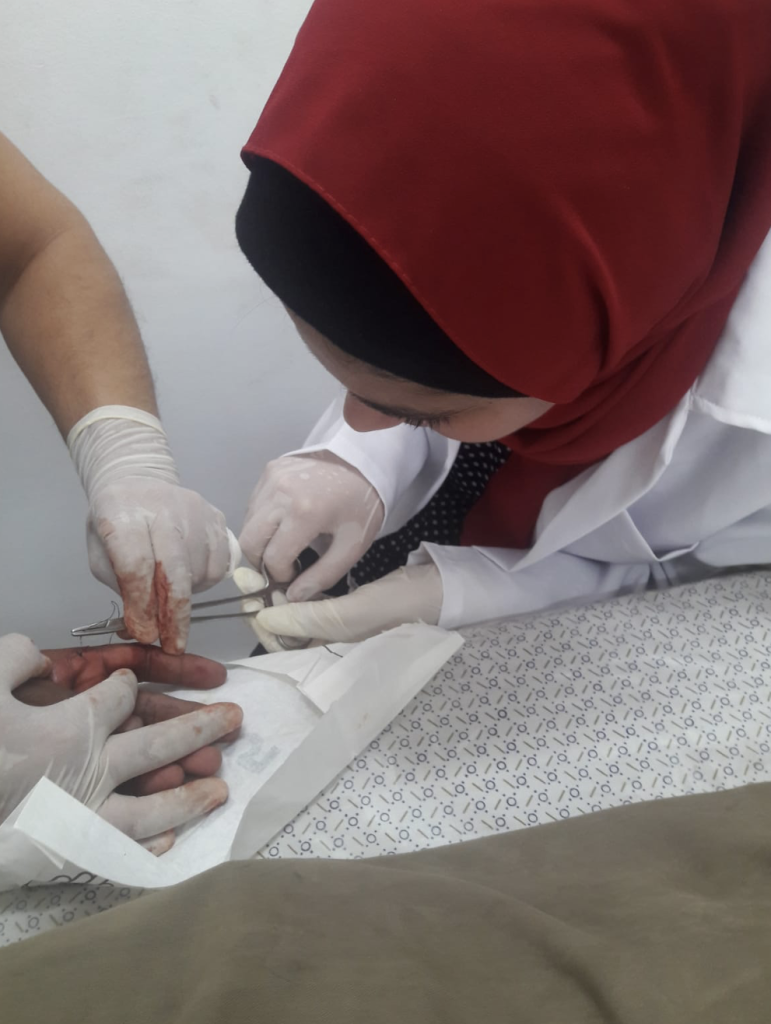
I also volunteered at Al-Bureij Clinic, where I received hands-on training in suturing simple wounds under medical supervision. This experience improved my procedural skills, attention to detail, and understanding of proper wound care, infection prevention and patient safety.
These training experiences allowed me to apply the knowledge and skills I gained at university in real clinical settings and provided valuable practical experience that will continue to support my medical education.
2. Aseel
During my elective, I was exposed to a broad range of orthopaedic cases through outpatient clinics, the emergency department and operating theatre sessions.
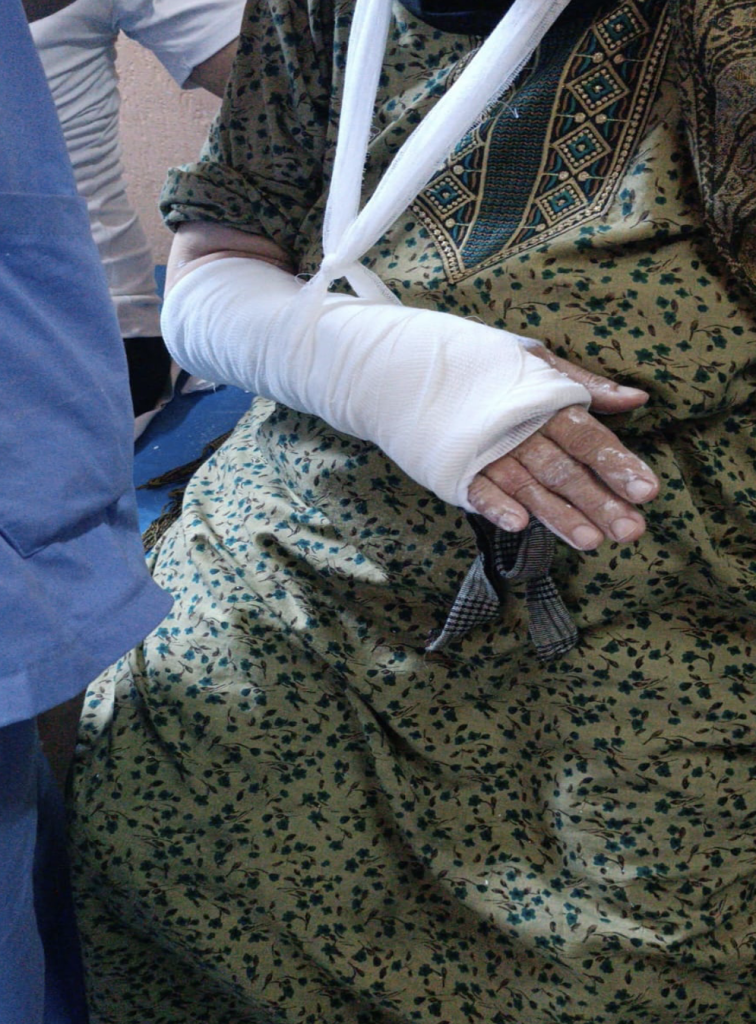
I learned about different types of fractures and their management and performed a dorsal cast under supervision for a patient with an upper limb fracture. I also had the opportunity to observe several orthopedic procedures, particularly internal fixation surgeries for fracture management.
As part of my academic contribution, I delivered a presentation on Acute Compartment Syndrome, highlighting its clinical presentation, diagnosis and the importance of early recognition and urgent surgical intervention. Preparing and presenting this topic strengthened my medical knowledge, presentation skills and confidence in discussing emergency orthopedic conditions.
3. Samer
During my medical elective, I completed a clinical rotation in the Emergency Department.
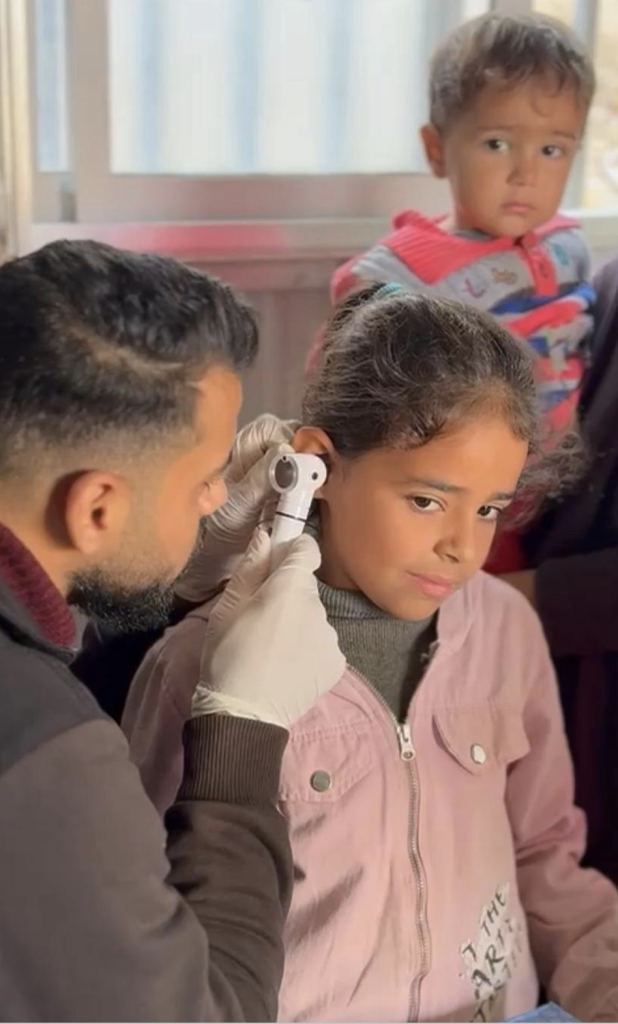
Throughout the elective, I participated in the initial evaluation of patients, history taking, physical examination, interpretation of laboratory and imaging results, and the formulation of differential diagnoses. I observed and assisted in emergency procedures such as wound care and suturing, intravenous cannulation, ECG interpretation, basic airway management and trauma assessment.
This placement provided valuable exposure to the assessment and management of emergency medical and surgical cases and strengthened my confidence in approaching acutely ill patients.
4. Alaa
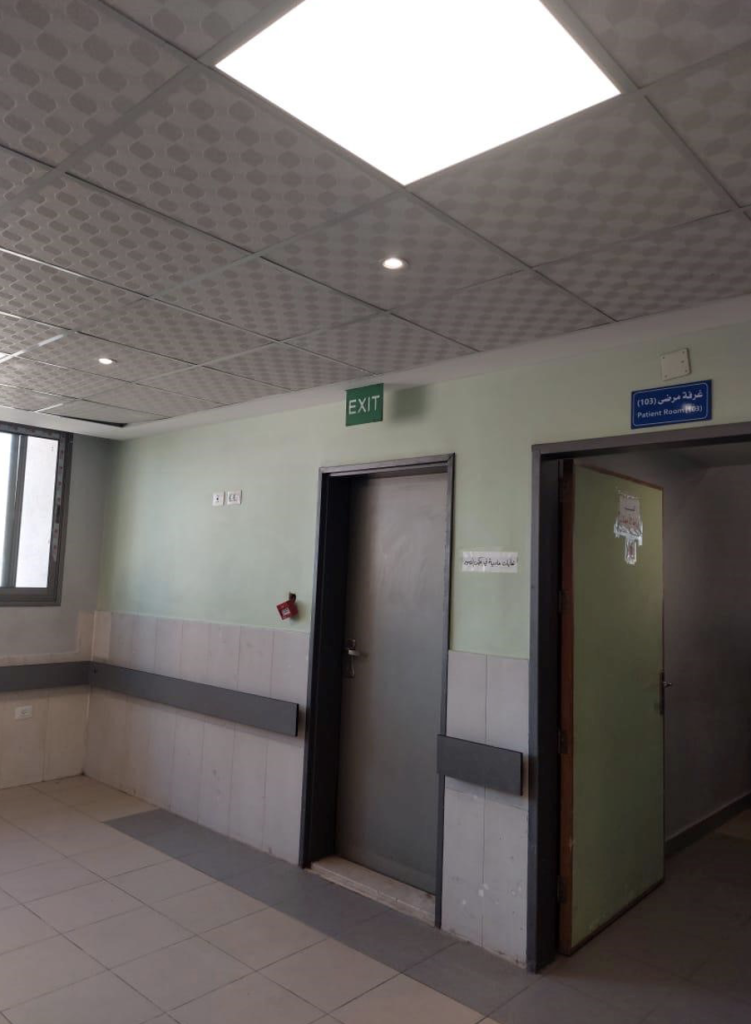
During my Internal Medicine elective rotation, I had the opportunity to develop my clinical knowledge and practical skills through direct involvement in patient care under the supervision of experienced physicians.
I participated in daily ward rounds, bedside teaching sessions and case discussions, and encountered patients with a variety of cardiovascular, respiratory, endocrine, renal, gastrointestinal and infectious diseases.
In addition to my hospital training, I volunteered as a Healthcare Coordinator in the Find and Treat initiative, preparing structured medical summaries in English for specialist physicians to support remote consultations and access to specialist treatment for patients with complex medical conditions.
5. Mohammed
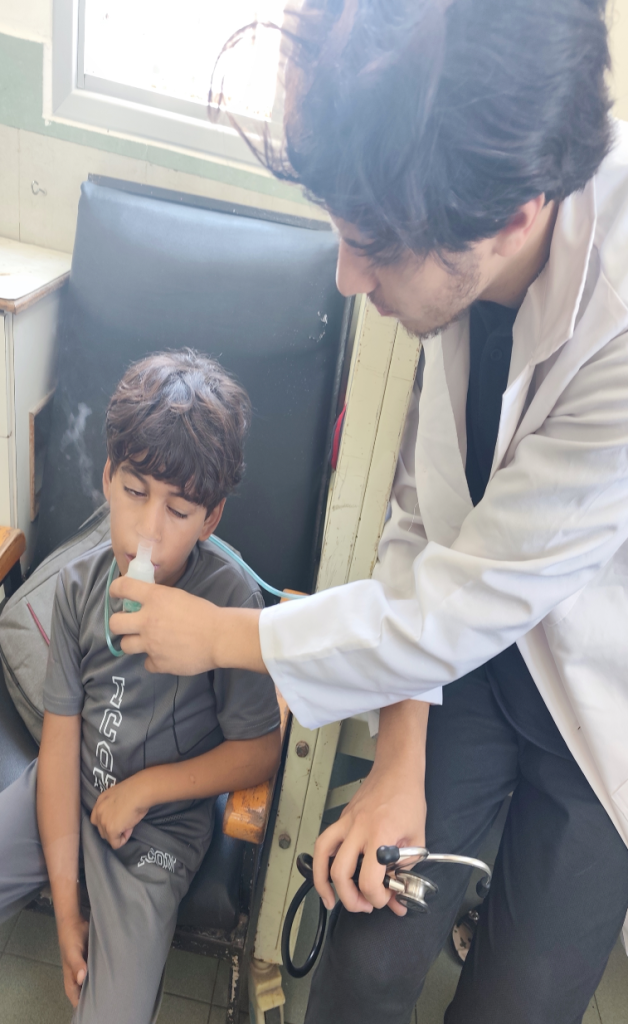
During this rotation, I had the opportunity to work closely with paediatricians, residents, nurses, patients and their families. As I became more involved in patient care, I gained confidence in assessing children with respiratory symptoms and developing appropriate management plans.
I was involved in the diagnosis and management of bronchiolitis, asthma, pneumonia, croup, pertussis and pleural effusion. I learned to recognise the early signs of respiratory distress, assess oxygen requirements, interpret chest X-rays and understand different methods of respiratory support.
The paediatric team created a welcoming learning environment where I felt encouraged to ask questions and learn from every patient encounter.
6. Farah
My surgery elective rotation was one of the most important milestones of my medical journey. I had the privilege of learning from highly skilled surgeons whose commitment to providing the best possible care shaped my understanding of the kind of surgeon I aspire to become.
Being exposed to complex trauma and emergency surgical cases strengthened my clinical judgement, courage and sense of responsibility. It also showed me the essential role of strong surgical training.
As I continue my training, I hope to build on this experience and keep improving the knowledge and practical skills needed to provide the best possible care for my future patients.
7. Yazeed
The training focused on direct clinical exposure through daily morning rounds with Internal Medicine consultants and the follow-up of patients with diabetes, hypertension, respiratory and gastrointestinal diseases.
I prepared and presented a clinical case on a patient diagnosed with Community Acquired Pneumonia, covering clinical features, chest X-ray interpretation, CURB-65 severity scoring, antibiotic selection and discharge criteria.
I also completed a project entitled ‘Prevalence of Undiagnosed Hypertension Among Patients Attending the Internal Medicine Clinic at Al-Aqsa Hospital’, which recommended routine blood pressure screening as part of primary care.
8. Zain
During my elective training, I was able to observe and participate in the daily work of the Emergency Department in a challenging and demanding environment. I supported the medical team in managing different emergency cases and gained valuable practical experience.
My responsibilities included assisting with wound care and suturing, helping in the orthopaedic room with cast applications, and taking patient histories during the initial assessment under the guidance of healthcare professionals.
This experience strengthened my interest in clinical practice and provided valuable lessons that I will carry forward in my future career as a doctor. I also hope to share what I learned with my colleagues and contribute positively to improving patient care in my community.
9. Mohammed
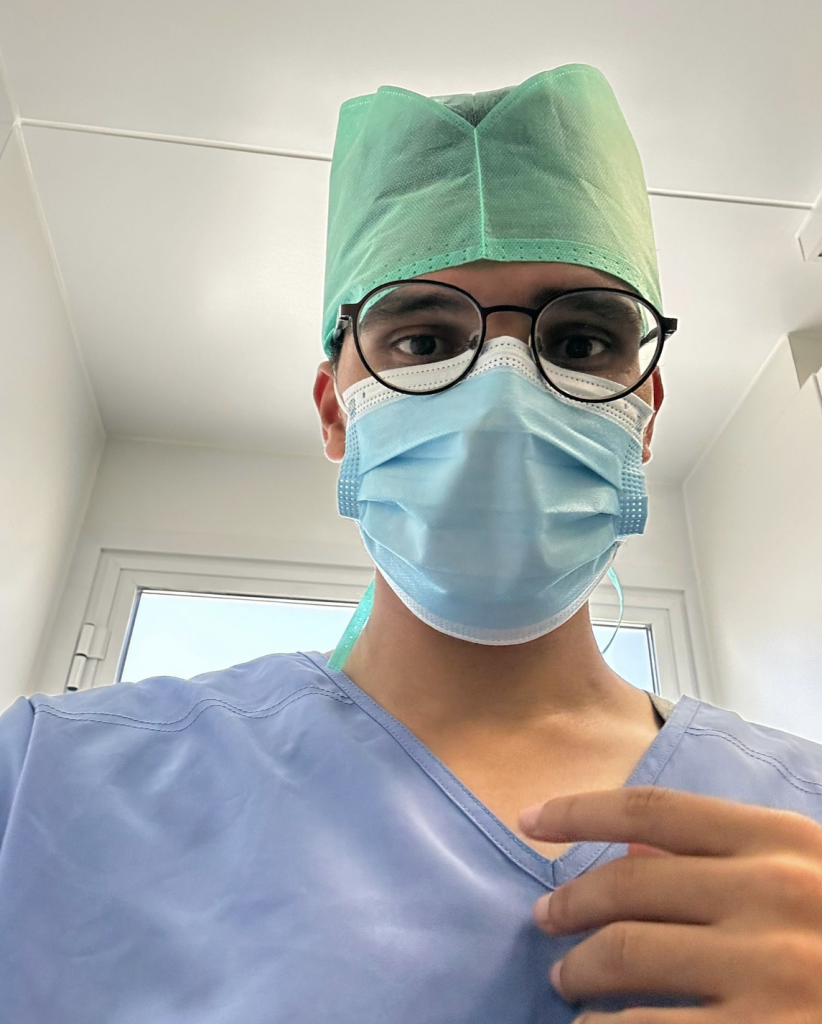
This elective was one of the most formative experiences of my medical training. I took part in daily ward rounds, followed patients throughout their recovery, attended outpatient clinics, and discussed management plans with consultants and residents.
I also spent many hours in the operating theatre, where I learned sterile technique, theatre protocols, and how surgeons, anaesthetists, nurses and the wider theatre team work together. One case has stayed with me in particular: a young woman with a branchial cyst. I presented her case to the surgical team before assisting as the first assistant during her operation.
I also had the opportunity to work alongside international healthcare professionals, helping to translate between medical teams and local patients. This experience broadened my clinical perspective and reinforced the importance of effective communication in patient care.
10. Nour
During my training, I worked as part of a multidisciplinary healthcare team providing emergency medical care. My responsibilities included assisting with patient triage, initial assessment, trauma stabilisation, emergency procedures, patient monitoring and coordination of care.
Working in a high-volume emergency environment allowed me to gain firsthand experience in managing a wide range of acute medical and trauma cases. This training strengthened my clinical reasoning, emergency medicine knowledge and practical skills, while improving my ability to make timely clinical decisions and work efficiently under pressure.
I hope to use the skills and knowledge gained through this placement to contribute to strengthening emergency and trauma services and support evidence-based clinical practice.
11. Bayan
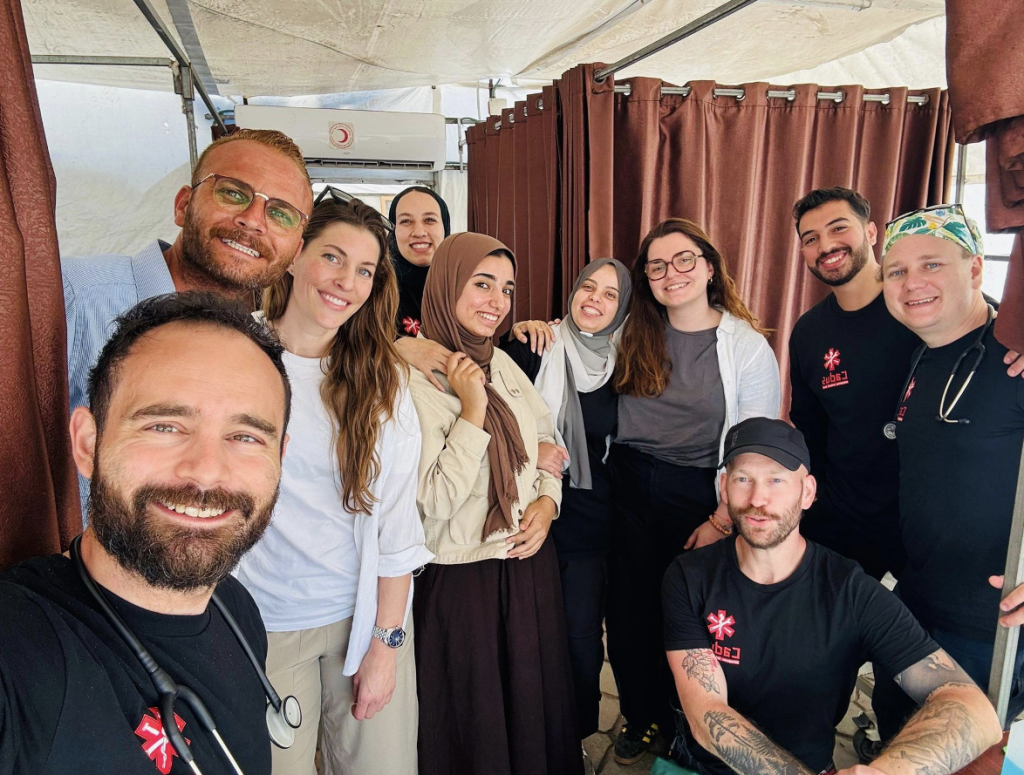
During my six-week elective in the General Surgery Department, I had the opportunity to participate actively in daily ward rounds, outpatient clinics and operating theatre activities under the supervision of experienced surgeons.
I assisted in a wide range of surgical procedures, including laparoscopic cholecystectomy, laparoscopic appendectomy and open abdominal surgery. These experiences provided valuable insight into surgical anatomy, operative techniques, perioperative care and postoperative management.
I also gained experience in the assessment and management of surgical emergencies and trauma patients, strengthening my understanding of surgical decision-making and reinforcing the importance of teamwork, responsibility and continuous improvement in clinical practice.
12. Farah
Throughout my placement, I took part in daily ward rounds, followed patients in inpatient wards and outpatient clinics, and discussed cases with consultants and residents.
I was exposed to a wide variety of respiratory and renal conditions, including pulmonary fibrosis, bronchiectasis and chronic kidney disease. Through these cases, I learned more about disease presentation, diagnostic workups, interpretation of laboratory and imaging findings, and treatment approaches used in everyday clinical practice.
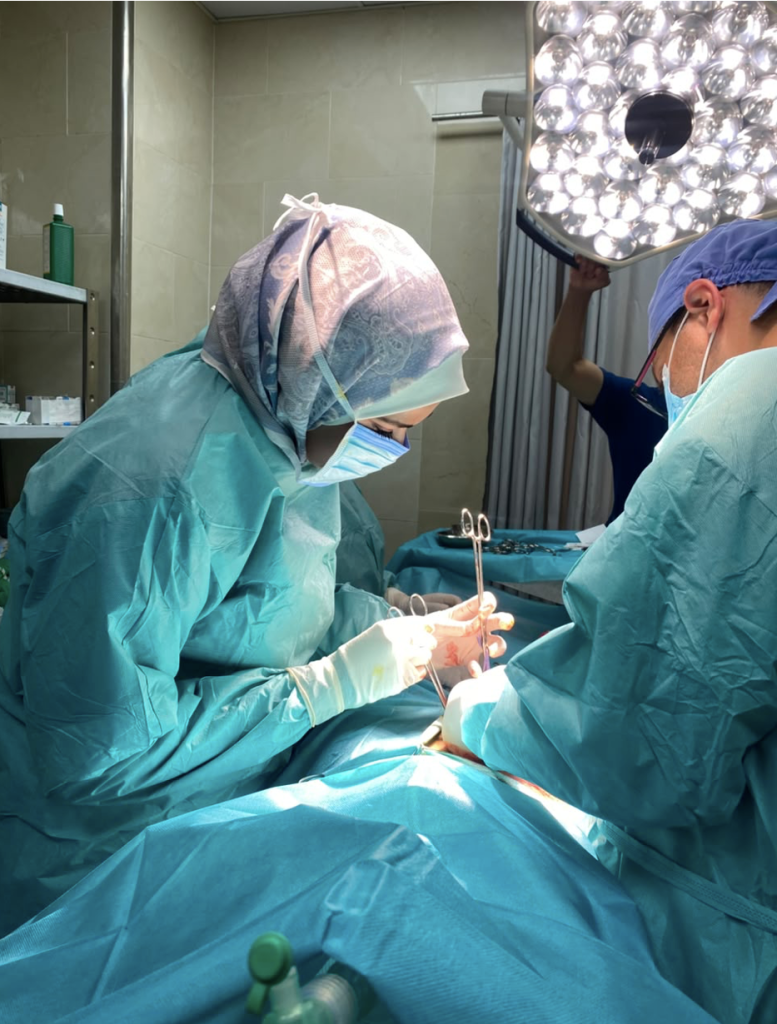
I also had the opportunity to meet and interact with international medical delegations visiting the hospital. Learning from physicians from different healthcare systems broadened my perspective and provided valuable insights into medical education and clinical practice.
13. Mahmoud
During my elective training in the Surgery Department, I attended teaching sessions with doctors and professors and studied the history, examination and investigation of different surgical conditions. I also observed several hernia and thyroid operations.
Every day, together with my colleagues and supervising doctors, we carried out ward rounds, followed patients’ progress and discussed their management. This experience taught me patience, strengthened my approach to patient care and improved my understanding of diagnosis and treatment.
At the end of the training, I completed a mini OSCE assessment, which helped build my confidence and improve my communication skills when interacting with patients.
Read more about the international training placement programme here