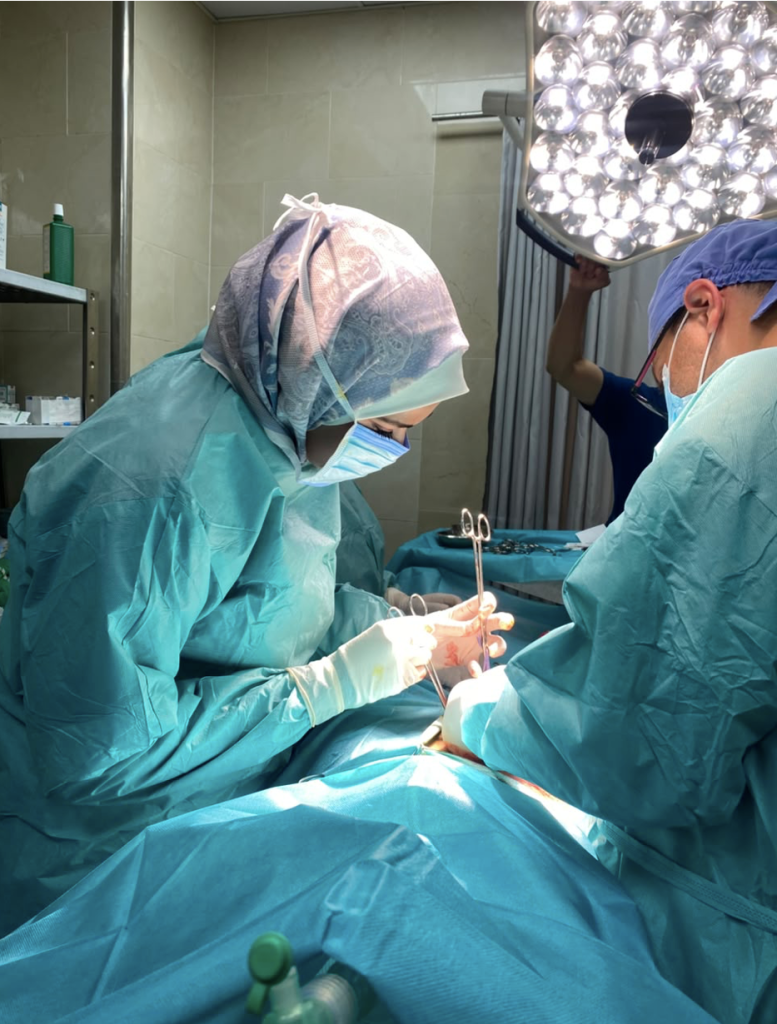
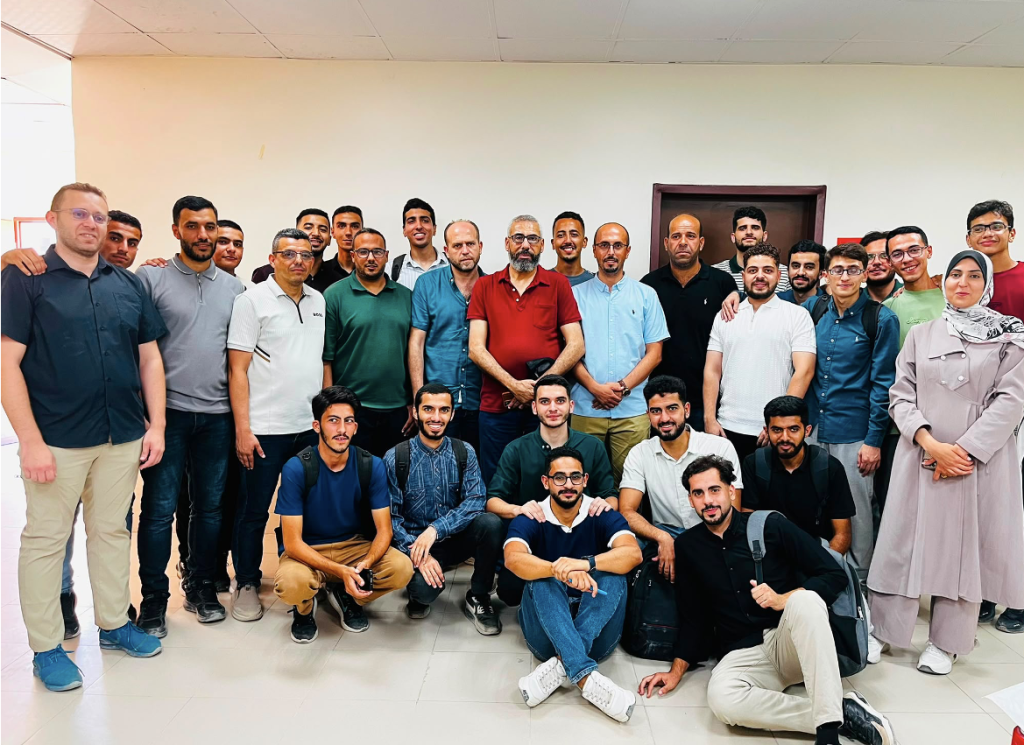
The Hanoon Foundation provides medical students with opportunities to gain practical clinical experience and develop their clinical skills through supervised elective placements.
As part of this programme, 13 medical students from Al-Azhar University completed four- to six-week elective placements across a range of hospital departments. Students were selected through a competitive process based on their academic performance and socio-economic circumstances.
The students described how the placements strengthened their clinical knowledge, practical skills, clinical reasoning and decision-making. They highlighted increased confidence in patient assessment and management, improved communication and teamwork, and the opportunity to apply their medical knowledge in a clinical setting under the supervision of experienced consultants and healthcare professionals.
The elective placements took place across a wide range of specialties, including Orthopaedics and Trauma, Maternal and Child Health, Paediatric Surgery, Burns Surgery, Intensive Care, Vascular Surgery, Diabetic Eye Care, Obstetrics and Gynaecology, Interventional Cardiology, Oncology, Nephrology, General Surgery, Internal Medicine and Emergency Medicine.
Below are extracts from the students’ own reflections, highlighting some of the experiences and lessons gained during their elective placements.
1. Haya
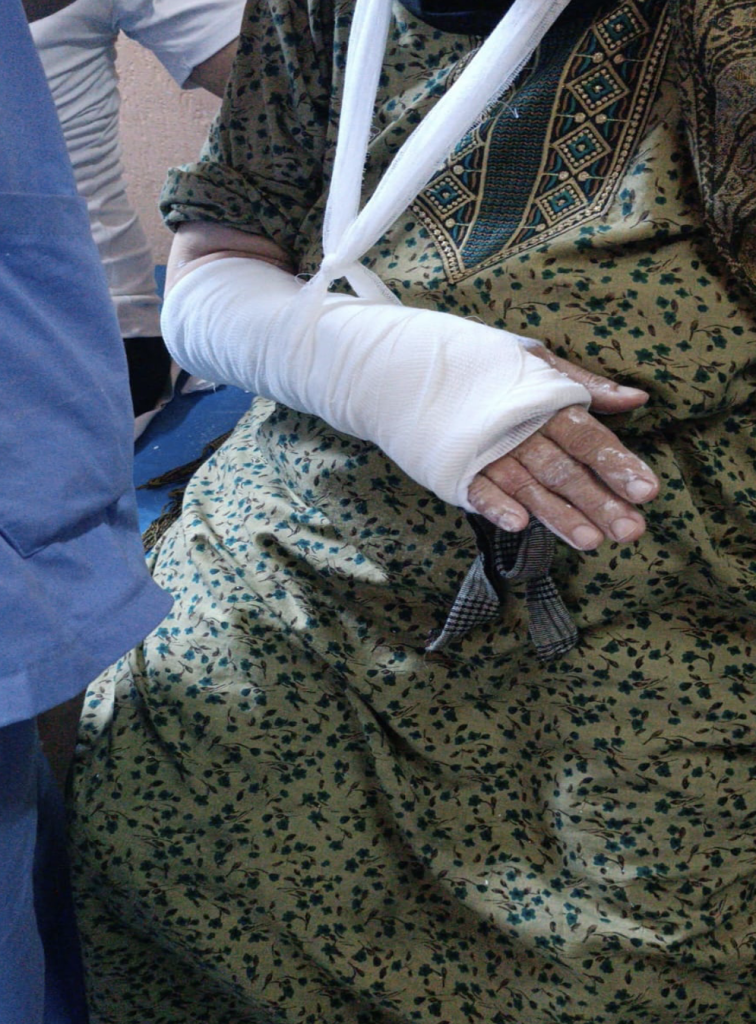
During my elective experience in the Orthopaedic Department at Al-Aqsa Hospital, I gained practical experience in the initial management of fractures and musculoskeletal injuries. I learned the principles of fracture immobilisation and assisted in the application of plaster casts, which strengthened my practical skills and increased my confidence in managing orthopaedic cases.
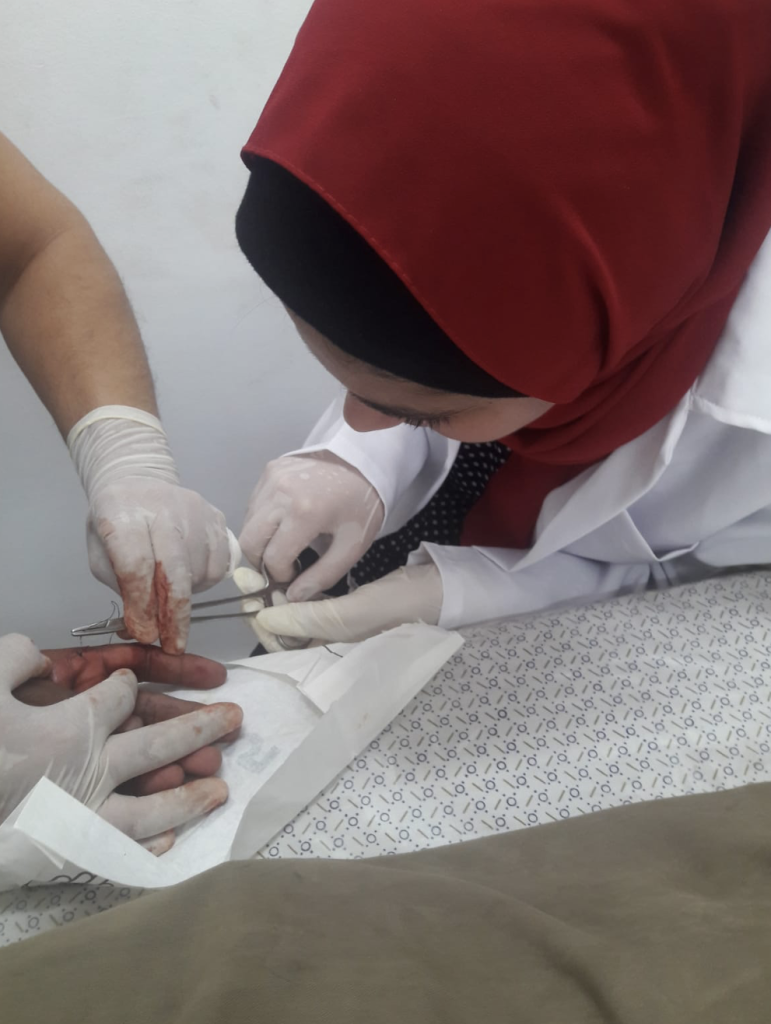
I also volunteered at Al-Bureij Clinic, where I received hands-on training in suturing simple wounds under medical supervision. This experience improved my procedural skills, attention to detail, and understanding of proper wound care, infection prevention and patient safety.
These training experiences allowed me to apply the knowledge and skills I gained at university in real clinical settings and provided valuable practical experience that will continue to support my medical education.
2. Aseel
During my elective, I was exposed to a broad range of orthopaedic cases through outpatient clinics, the emergency department and operating theatre sessions.
I learned about different types of fractures and their management and performed a dorsal cast under supervision for a patient with an upper limb fracture. I also had the opportunity to observe several orthopedic procedures, particularly internal fixation surgeries for fracture management.
As part of my academic contribution, I delivered a presentation on Acute Compartment Syndrome, highlighting its clinical presentation, diagnosis and the importance of early recognition and urgent surgical intervention. Preparing and presenting this topic strengthened my medical knowledge, presentation skills and confidence in discussing emergency orthopedic conditions.
3. Samer
During my medical elective, I completed a clinical rotation in the Emergency Department.
Throughout the elective, I participated in the initial evaluation of patients, history taking, physical examination, interpretation of laboratory and imaging results, and the formulation of differential diagnoses. I observed and assisted in emergency procedures such as wound care and suturing, intravenous cannulation, ECG interpretation, basic airway management and trauma assessment.
This placement provided valuable exposure to the assessment and management of emergency medical and surgical cases and strengthened my confidence in approaching acutely ill patients.
4.Alaa
During my Internal Medicine elective rotation, I had the opportunity to develop my clinical knowledge and practical skills through direct involvement in patient care under the supervision of experienced physicians.
I participated in daily ward rounds, bedside teaching sessions and case discussions, and encountered patients with a variety of cardiovascular, respiratory, endocrine, renal, gastrointestinal and infectious diseases.
In addition to my hospital training, I volunteered as a Healthcare Coordinator in the Find and Treat initiative, preparing structured medical summaries in English for specialist physicians to support remote consultations and access to specialist treatment for patients with complex medical conditions.
5.Mohammed
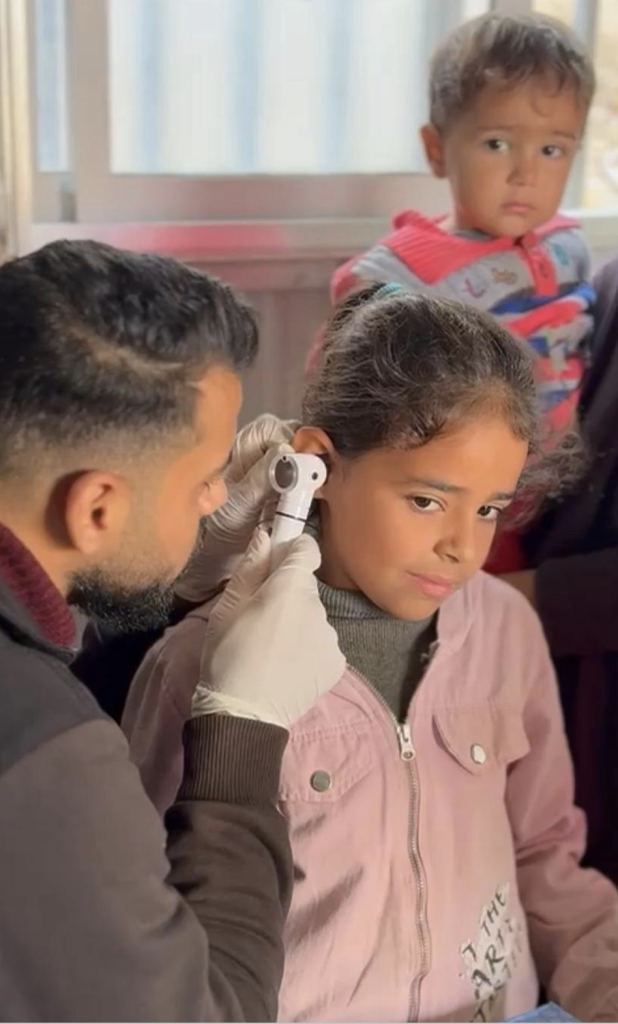
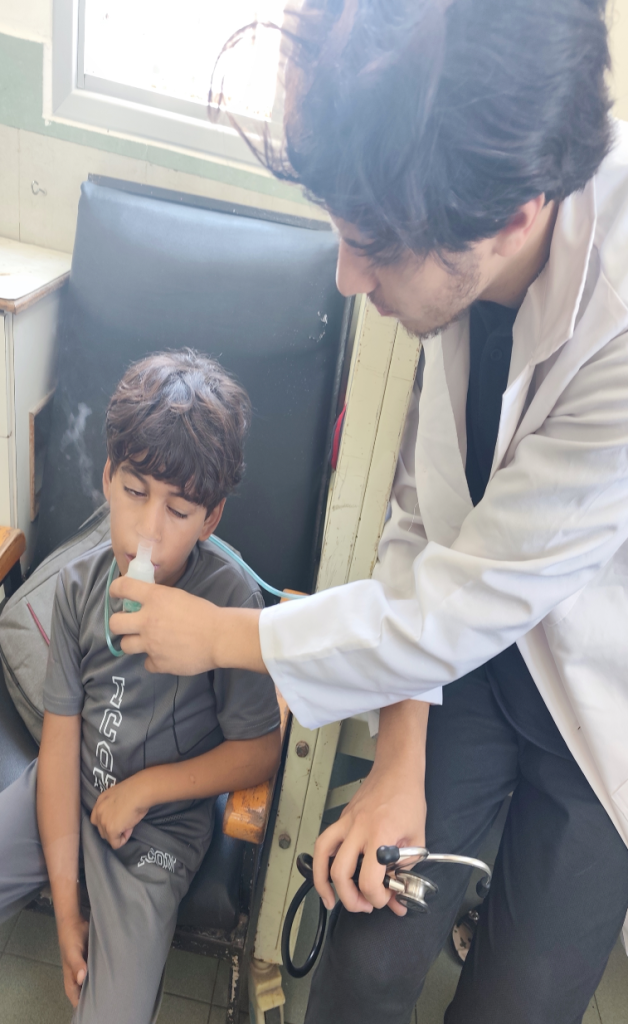
During this rotation, I had the opportunity to work closely with paediatricians, residents, nurses, patients and their families. As I became more involved in patient care, I gained confidence in assessing children with respiratory symptoms and developing appropriate management plans.
I was involved in the diagnosis and management of bronchiolitis, asthma, pneumonia, croup, pertussis and pleural effusion. I learned to recognise the early signs of respiratory distress, assess oxygen requirements, interpret chest X-rays and understand different methods of respiratory support.
The paediatric team created a welcoming learning environment where I felt encouraged to ask questions and learn from every patient encounter.
6. Farah
My surgery elective rotation was one of the most important milestones of my medical journey. I had the privilege of learning from highly skilled surgeons whose commitment to providing the best possible care shaped my understanding of the kind of surgeon I aspire to become.
Being exposed to complex trauma and emergency surgical cases strengthened my clinical judgement, courage and sense of responsibility. It also showed me the essential role of strong surgical training.
As I continue my training, I hope to build on this experience and keep improving the knowledge and practical skills needed to provide the best possible care for my future patients.
7. Yazeed
The training focused on direct clinical exposure through daily morning rounds with Internal Medicine consultants and the follow-up of patients with diabetes, hypertension, respiratory and gastrointestinal diseases.
I prepared and presented a clinical case on a patient diagnosed with Community Acquired Pneumonia, covering clinical features, chest X-ray interpretation, CURB-65 severity scoring, antibiotic selection and discharge criteria.
I also completed a project entitled ‘Prevalence of Undiagnosed Hypertension Among Patients Attending the Internal Medicine Clinic at Al-Aqsa Hospital’, which recommended routine blood pressure screening as part of primary care.
8. Zain
During my elective training, I was able to observe and participate in the daily work of the Emergency Department in a challenging and demanding environment. I supported the medical team in managing different emergency cases and gained valuable practical experience.
My responsibilities included assisting with wound care and suturing, helping in the orthopaedic room with cast applications, and taking patient histories during the initial assessment under the guidance of healthcare professionals.
This experience strengthened my interest in clinical practice and provided valuable lessons that I will carry forward in my future career as a doctor. I also hope to share what I learned with my colleagues and contribute positively to improving patient care in my community.
9. Mohammed
This elective was one of the most formative experiences of my medical training. I took part in daily ward rounds, followed patients throughout their recovery, attended outpatient clinics, and discussed management plans with consultants and residents.
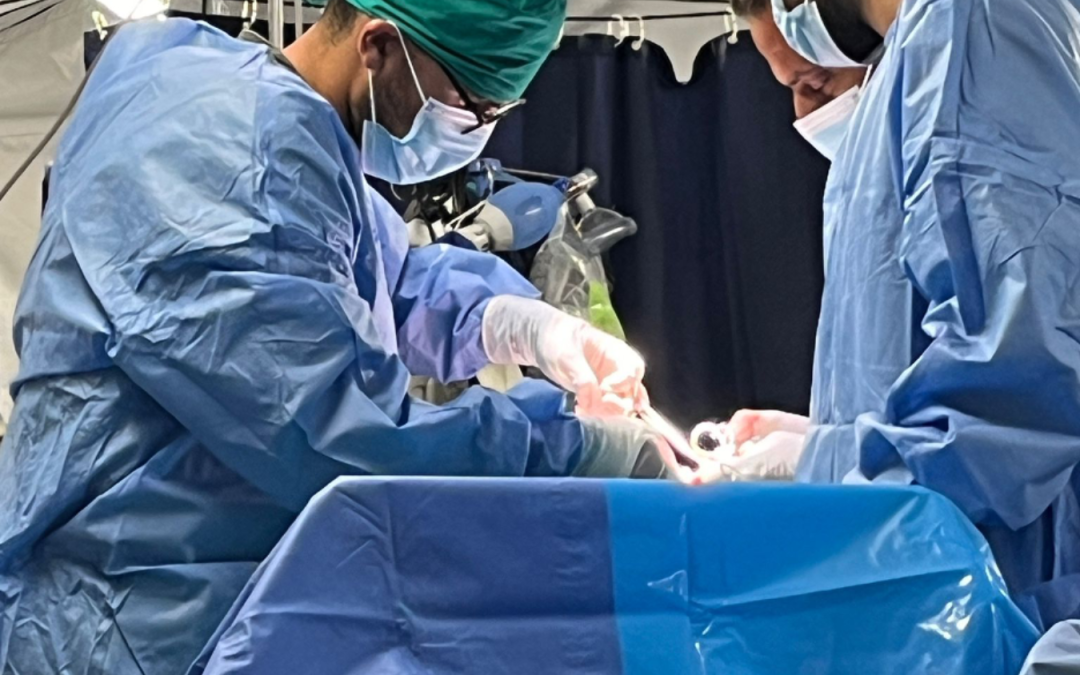
I also spent many hours in the operating theatre, where I learned sterile technique, theatre protocols, and how surgeons, anaesthetists, nurses and the wider theatre team work together. One case has stayed with me in particular: a young woman with a branchial cyst. I presented her case to the surgical team before assisting as the first assistant during her operation.
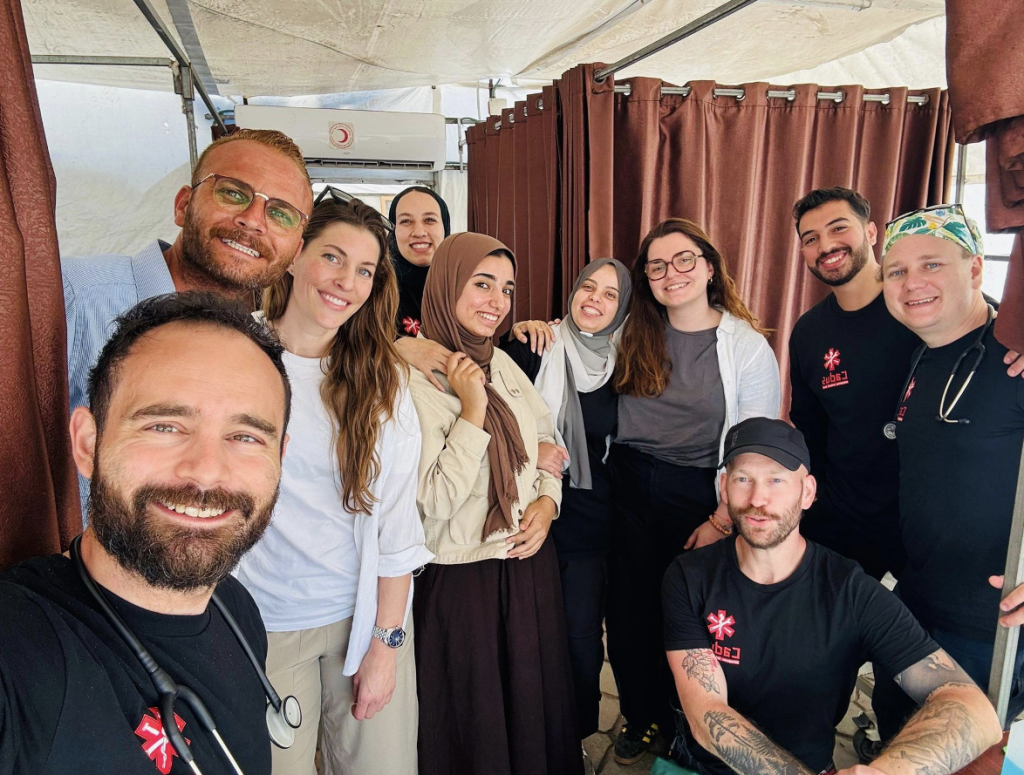
I also had the opportunity to work alongside international healthcare professionals, helping to translate between medical teams and local patients. This experience broadened my clinical perspective and reinforced the importance of effective communication in patient care.
10. Nour
During my training, I worked as part of a multidisciplinary healthcare team providing emergency medical care. My responsibilities included assisting with patient triage, initial assessment, trauma stabilisation, emergency procedures, patient monitoring and coordination of care.
Working in a high-volume emergency environment allowed me to gain firsthand experience in managing a wide range of acute medical and trauma cases. This training strengthened my clinical reasoning, emergency medicine knowledge and practical skills, while improving my ability to make timely clinical decisions and work efficiently under pressure.
I hope to use the skills and knowledge gained through this placement to contribute to strengthening emergency and trauma services and support evidence-based clinical practice.
11. Bayan
During my six-week elective in the General Surgery Department, I had the opportunity to participate actively in daily ward rounds, outpatient clinics and operating theatre activities under the supervision of experienced surgeons.
I assisted in a wide range of surgical procedures, including laparoscopic cholecystectomy, laparoscopic appendectomy and open abdominal surgery. These experiences provided valuable insight into surgical anatomy, operative techniques, perioperative care and postoperative management.
I also gained experience in the assessment and management of surgical emergencies and trauma patients, strengthening my understanding of surgical decision-making and reinforcing the importance of teamwork, responsibility and continuous improvement in clinical practice.
12. Farah
Throughout my placement, I took part in daily ward rounds, followed patients in inpatient wards and outpatient clinics, and discussed cases with consultants and residents.
I was exposed to a wide variety of respiratory and renal conditions, including pulmonary fibrosis, bronchiectasis and chronic kidney disease. Through these cases, I learned more about disease presentation, diagnostic workups, interpretation of laboratory and imaging findings, and treatment approaches used in everyday clinical practice.
I also had the opportunity to meet and interact with international medical delegations visiting the hospital. Learning from physicians from different healthcare systems broadened my perspective and provided valuable insights into medical education and clinical practice.
13. Mahmoud
During my elective training in the Surgery Department, I attended teaching sessions with doctors and professors and studied the history, examination and investigation of different surgical conditions. I also observed several hernia and thyroid operations.
Every day, together with my colleagues and supervising doctors, we carried out ward rounds, followed patients’ progress and discussed their management. This experience taught me patience, strengthened my approach to patient care and improved my understanding of diagnosis and treatment.
At the end of the training, I completed a mini OSCE assessment, which helped build my confidence and improve my communication skills when interacting with patients.
Since 2025, the Hanoon Foundation has supported displaced Palestinian medical students whose studies were interrupted by the war in Gaza, enabling them to continue their medical education in the United Kingdom through partnerships with UK medical schools.
Through collaboration with institutions including the University of Liverpool, the University of Leicester, Brighton & Sussex Medical School (BSMS), and Queen’s University Belfast, displaced students have been able to continue their studies despite significant disruption and displacement.
The programme is coordinated with partner institutions in Palestine to maintain academic continuity, while host universities provide tuition-free education and additional support in some cases.
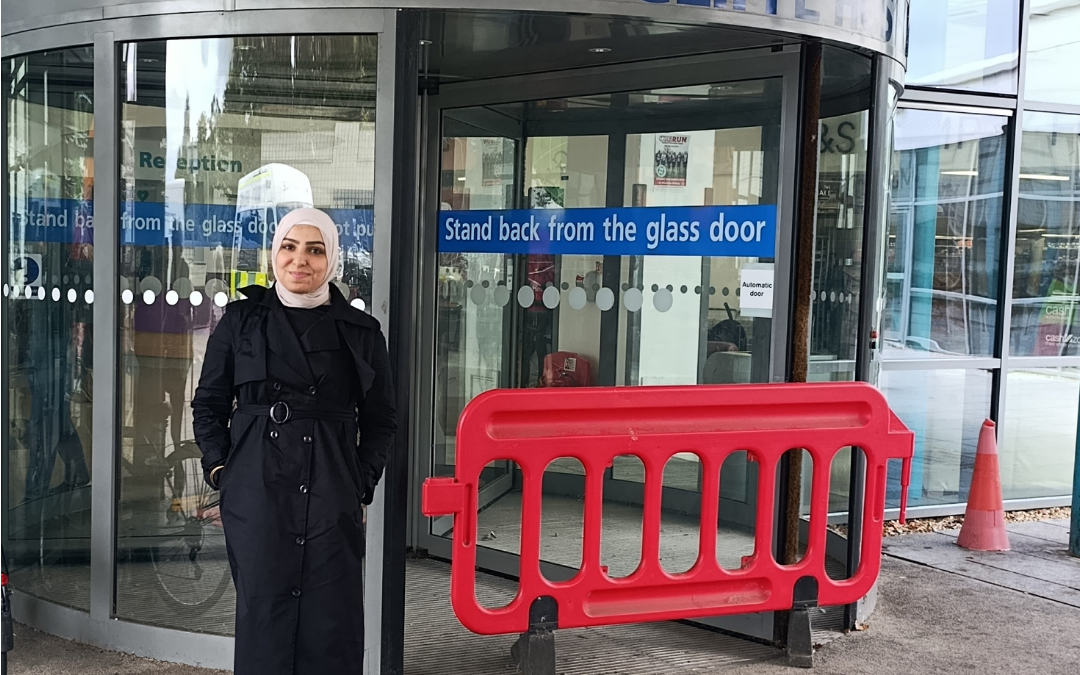
As part of this initiative, Ali and Miar completed a six-month placement at BSMS, where they gained valuable clinical and academic experience.
Reflecting on his placement, Ali described the experience as “a significant milestone” in his career, helping him grow into “a more confident, skilled, and adaptable individual”. Miar described her experience at BSMS as “rewarding and transformative”, saying it had “a lasting impact” on her journey.
To read Ali and Miar’s testimonials about their placement experience at BSMS, please see below.
The Hanoon Foundation remains committed to supporting displaced Palestinian medical students and ensuring they can continue their education despite the extraordinary challenges they face.
Testimonial 1
It is with great appreciation that I reflect on my six-month journey at Brighton and Sussex Medical School, a journey that was made possible through the generous support of The Hanoon Foundation. From the very beginning, their commitment to empowering students has been evident, and I am truly grateful for the opportunity they have given me to grow both academically and personally.
Hanoon’s support played a crucial role in allowing me to fully engage with my placement experience. It provided me with the stability and encouragement needed to focus on developing my skills and making the most of every opportunity available to me during my time here.
Throughout this placement, I have gained invaluable clinical experience. I strengthened my ability to take detailed patient histories, perform thorough clinical examinations, and approach cases with greater confidence and clinical reasoning. I also found my time on ward rounds and in surgical theatres particularly fruitful, as it allowed me to observe clinical decision-making in real time, understand patient management more deeply, and gain insight into procedural aspects of care. Engaging with healthcare professionals in these settings enhanced my communication skills and gave me a clearer understanding of the importance of teamwork within the healthcare system.
Academically, I greatly benefited from the high-quality lectures, teaching sessions, and conferences offered at Brighton and Sussex Medical School. These experiences broadened my medical knowledge and allowed me to stay updated with current practices, further shaping my development as a future doctor.
Beyond academics, this experience has been socially enriching. I had the opportunity to meet new people, build lasting friendships, and connect with individuals from diverse cultural backgrounds. Exploring Brighton and its beautiful surroundings added a special dimension to my journey, making it not only educational but also personally fulfilling. Sharing these experiences with others created lasting memories that I will always value.
This journey has been a significant milestone in my career, helping me grow into a more confident, skilled, and adaptable individual. I am deeply thankful to The Hanoon Foundation for their unwavering support and for believing in my potential. Their contribution has had a lasting impact on my development, and I will carry this experience forward with pride and gratitude.
Ali
Testimonial 2
“My experience at Brighton and Sussex Medical School has been both rewarding and transformative, and I am incredibly grateful to The Hanoon Foundation for making it possible.
What stood out most to me during this journey was the opportunity to truly immerse myself in a new clinical environment. With the support I received, I was able to focus fully on learning, growing, and challenging myself in ways that would not have been possible otherwise.
Throughout my placement, I developed greater confidence in interacting with patients and applying clinical knowledge in real-life settings. Being part of ward activities and observing day-to-day clinical practice helped me better understand how medical decisions are made and how patient care is delivered as a team effort. These experiences strengthened not only my practical skills but also my ability to think critically and adapt in dynamic situations.
In addition to the clinical exposure, the academic environment was highly engaging. The teaching sessions and learning opportunities encouraged me to deepen my understanding and stay curious, which I believe is essential for any medical student.
Outside of the hospital, living in Brighton added another layer to my experience. It gave me the chance to connect with new people, experience a different culture, and create meaningful memories that I will carry with me.
Looking back, this opportunity has played an important role in shaping my development, both professionally and personally. I am thankful to The Hanoon Foundation for their support and for opening this door for me. It is an experience that has truly made a lasting impact on my journey.”
The Hanoon Foundation provides medical students with opportunities to gain practical experience and develop their skills. In cooperation with OxPal, Shahd recently completed her training at the Oxford hospitals, which she describes as “one of the most rewarding and inspiring experiences in my medical journey.”
Check her testimonial and photos below.
I would like to express my sincere gratitude to Hanoon Foundation for giving me the wonderful opportunity to train at the Oxford hospitals. It was truly one of the most rewarding and inspiring experiences in my medical journey.
My time at the hospitals was extremely valuable — I learned many new skills and gained a deeper understanding of clinical practice. I learned how to properly maintain sterilization and aseptic techniques, how to communicate effectively with patients and staff, and I became more confident and comfortable in the hospital environment.
I also had the chance to observe different medical cases, attend ward rounds, and interact with excellent doctors and nurses who were always supportive and encouraging. The experience gave me a real insight into how teamwork and compassion are at the heart of good medical care.
This opportunity truly inspired me to continue growing as a medical student and motivated me to work harder to achieve my goals.
I am deeply thankful to Hanoon Foundation for their continuous support and encouragement for medical students from Gaza. Your belief in our potential and your dedication to creating educational opportunities for us means so much. You have been a true source of motivation and inspiration for many of us.
It was an unforgettable and truly transformative experience.
Zainab participated in the Oxford Summer School in Medical Education, gaining extensive clinical and surgical training, developing essential skills in patient communication, history-taking, and practical procedures, and benefiting from mentorship and guidance by senior doctors.
“This experience was not just a training course but a life-changing journey.”
Check her photos and testimonial below.
First and foremost, I would like to express my sincere gratitude to The Hanoon Foundation for their generous support and sponsorship, which made my participation in the Oxford Summer School in Medical Education possible. Without their kind assistance, this invaluable opportunity would not have been attainable. Their dedication to supporting Palestinian medical students is truly inspiring, and I am deeply honoured to have been one of the beneficiaries of their generosity.
My Experience My participation in this programme was a true turning point in my academic and medical journey. It was not only about acquiring new knowledge but also about transforming the way I think, motivating me to aspire to goals much greater than I had ever imagined. Today, I dream of pursuing additional training opportunities and elective courses at Oxford or other prestigious institutions, with a renewed awareness of my ability to advance and compete on a global level.
On the academic and professional side, my clinical skills improved significantly. I learned structured history-taking, effective communication with patients from diverse backgrounds, and mastered a range of clinical examinations including gastrointestinal, cardiovascular, respiratory, and neurological assessments. I also trained in vascular and breast examinations, as well as the systematic A–E assessment (Airway, Breathing, Circulation, Disability, Exposure). In addition, I gained hands-on experience in measuring vital signs, practising phlebotomy techniques using different methods, and maintaining the highest standards of hand hygiene and safety at every step.
From a surgical perspective, the Summer School provided me with a solid foundation in practical skills. I was trained in basic laparoscopic skills, hand-tying, and subcuticular suturing such as the Aberdeen knot. I also practised excision and closure of skin lesions and became familiar with different suturing techniques, including vertical and horizontal mattress sutures and buried dermal sutures. These experiences increased my confidence in handling both basic and advanced surgical procedures, while deepening my understanding of wound healing and safe surgical practice.
One of the most remarkable aspects of the programme was my clinical placement at John Radcliffe Hospital, University of Oxford. I joined the Department of Gastroenterology and Hepatology, where I received exceptional guidance and support from consultants and doctors. I engaged in case discussions, developed my clinical reasoning skills, and learned how to formulate effective management plans. I also gained insight into the importance of maintaining a clinical logbook for reflection and tracking academic and professional growth.
Practically, I had the chance to observe diagnostic and therapeutic endoscopy, learn about the role of radiology in endoscopic procedures, and understand the application of Argon Plasma Coagulation (APC) in managing gastrointestinal bleeding. Furthermore, I gained deeper knowledge of ERCP (Endoscopic Retrograde Cholangiopancreatography) in diagnosing and managing biliary obstructions. These experiences not only improved my technical understanding but also highlighted the importance of multidisciplinary collaboration in managing complex cases such as chronic liver disease and gastrointestinal cancers.
Beyond the academic and clinical exposure, the programme enriched me on a personal level through networking and cultural exchange. I met students and doctors from all over the world, which broadened my academic and cultural horizons. Meeting fellow Palestinian students from the West Bank was especially meaningful, as this opportunity allowed me to connect with peers I would not have been able to meet otherwise. These professional and human connections will serve as a foundation for future collaborations and knowledge exchange.
The city of Oxford itself was an endless source of inspiration. I was truly impressed by its breathtaking beauty, its long-standing academic tradition, and its vibrant atmosphere that combines history with innovation. Simply walking through its historic streets and feeling the presence of knowledge in every corner was enough to ignite within me a stronger drive for excellence and ambition. I left Oxford carrying not only knowledge but also the dream of a brighter future.
This experience was not just a training course, but a life-changing journey—a journey that combined knowledge and skills, human connections, and academic inspiration. I would like to renew my deep gratitude to The Hanoon Foundation for their generous support, which made this opportunity possible. What I have gained here will remain a cornerstone in my medical journey and a strong motivation to continue seeking greater opportunities, whether through electives, clinical training, or future research.
I sincerely hope that this support will continue in the future, enabling me to participate in additional courses and training programmes that will further enhance my skills and allow me to contribute more effectively to my community and to the advancement of medicine in Palestine.
Alaa participated in the OxPal Pre-Clinical Summer School at Oxford University, gaining their first structured exposure to the hospital environment, developing essential clinical and introductory surgical skills, and benefiting from mentorship by senior doctors.
“This course has been a transformative step that profoundly influenced me both personally and academically, shaping my studies and future career while leaving a lasting impact on my development.”
Check photos and testimonial below.
Attending the OxPal Summer School, the pre-clinical course at Oxford University, was a valuable milestone in my medical journey. It was my first structured exposure to the hospital environment, giving me insight into how the healthcare system works, how placements are organised, and giving me the chance to communicate with senior doctors and benefit from their guidance and mentorship.
One of the most impactful parts of the course was practising clinical skills. Under the supervision of senior doctors, we performed physical examinations, role-played scenarios, and practised on each other. This helped me overcome the barriers of practising for the first time and gave me greater confidence in approaching patients. I also had the chance to develop introductory surgical skills, which further strengthened my foundation.
Observing consultants in practice was inspiring. They consistently respected patient privacy, explained treatment plans clearly, and involved patients in decision-making, and most importantly, built strong patient–doctor connections through empathy and communication.
This course has been a transformative step that profoundly influenced me both personally and academically, shaping my studies and future career while leaving a lasting impact on my development. More importantly, the skills and knowledge I gained will serve as a valuable professional reference, supporting me in my upcoming clinical years and motivating me to carry these lessons forward into my medical training and career.
Amna completed her clinical elective through the OxPal Summer School in Oxford, where she gained both academic and personal growth. She highlighted how the programme enhanced her clinical knowledge, introduced her to new medical skills, and broadened her cultural and professional horizons.
“I left with a lot of motivation, gratitude, and excitement for the next steps in my medical career, and I will always remember this summer school as a transformative and unforgettable experience.”
Check the testimonial and photos below.
Dear Hanoon Foundation,
I would like to extend my deepest gratitude and heartfelt appreciation for your generous support in funding my journey to Oxford. This invaluable opportunity has allowed me to expand my horizons, enrich my clinical skills, and gain profound professional and personal experiences that I will carry with me throughout my career.
Your credibility, continuous encouragement, and repeated support of my educational path have made a remarkable difference in my medical journey. You have not only facilitated my academic and clinical growth but also played a vital role in shaping my vision and broadening my perspectives. I am truly grateful for your trust and unwavering commitment to empowering students like me. The impact of your contribution will remain with me as I continue striving towards excellence in the medical field.
During my participation in the OxPal Summer School in Oxford from 1 to 12 September 2025, I felt that I grew tremendously both academically and personally.
On the academic side, my background knowledge developed a lot as I became more familiar with the medical system in the UK, which I found to be very similar to our system in Palestine, with only a few differences.
I also learned many essential skills that will prepare me well for the clinical phase of my studies, such as communication, history taking, physical examination, and even some surgical techniques like suturing and laparoscopy. Most importantly, I began to recognise my own strengths and weaknesses, which will help me focus on improving and building my medical skills in the future.
On a personal level, the summer school had a big impact on me. I had the chance to meet many people from Oxford, as well as Palestinian students from the West Bank whom I would never have had the opportunity to meet otherwise. We worked and learned together in groups, and this experience made me more open and social when interacting with people, teachers, and patients in the hospital environment. I also enjoyed discovering Oxford as a city, with its history, landmarks, and kind people. The OxPal team made everything easier for us, always guiding us, introducing us to new places, and answering all our questions.
This journey also gave me the chance to build strong connections with people that I truly hope to keep in touch with. It made me feel inspired to come back to Oxford in the future for an elective course or further training, because I realised that Oxford really is the “City of Learning.” I left with a lot of motivation, gratitude, and excitement for the next steps in my medical career, and I will always remember this summer school as a transformative and unforgettable experience.
Ola, a 4th-year medical student at the Islamic University of Gaza, attended the Oxford Summer School in Medical Education with support from The Hanoon Foundation. During the programme, she gained a wide range of clinical and surgical skills, participated in structured training, and completed a placement in Gastroenterology and Hepatology at John Radcliffe Hospital, Oxford.
“A turning point in my medical journey, combining practical clinical and surgical skills with international academic exposure.”
Check testimonial and photos below.
I would like to express my heartfelt gratitude to The Hanoon Foundation, previously known as FQMS, for their generous financial support which enabled me to attend the Oxford Summer School in Medical Education in the United Kingdom.
I had the invaluable opportunity to participate in the Oxford Summer School in Medical Education, which has been an enriching and inspiring experience.
Skills and Knowledge Gained:
Clinical Skills:
Structured history-taking.
Communication skills with patients.
Clinical examinations of the abdomen, cardiovascular, and respiratory systems.
Cranial nerves and upper & lower limb examinations.
Vital signs measurement: blood pressure, temperature, pulse, and O2 saturation.
Phlebotomy techniques using a tourniquet and butterfly needles.
Hand hygiene: seven steps and the five key moments.
Surgical Skills:
Basic laparoscopic skills.
Hand-tying techniques.
Subcuticular suturing and the Aberdeen knot.
Skin lesion excision and closure.
Different suturing techniques: vertical and horizontal mattress and buried dermal sutures.
Placement Experience: • I had my clinical placement at John Radcliffe Hospital (JR Hospital) in Oxford, and I am truly grateful to the doctors there for their continuous support and guidance. • I chose the Gastroenterology and Hepatology Department, where I discussed various patient cases with the consultants and learned valuable clinical reasoning and patient management skills. • I was also introduced to the use of a logbook for documenting and reflecting on the clinical cases I encountered.
Furthermore, I gained hands-on exposure to: • Using the endoscope for diagnostic and therapeutic purposes. • Applying radiological techniques in endoscopic procedures. • Learning the use of APC (Argon Plasma Coagulation) for controlling gastrointestinal bleeding. • Understanding and practising ERCP (Endoscopic Retrograde Cholangiopancreatography) for diagnosing and managing biliary obstructions.
Conclusion: This programme has been a turning point in my medical journey, combining practical clinical and surgical skills with international academic exposure.
I am sincerely grateful to The Hanoon Foundation, previously known as FQMS, for their generous financial support which enabled me to attend the Oxford Summer School in Medical Education. This opportunity has been a turning point in my medical journey, and I look forward to staying connected and participating in future opportunities, especially through an elective course.
Sincerely, and one day help me make an impact on the healthcare system in Palestine.
Dalia completed a six-month clinical elective across multiple specialities at Oxford University Hospitals, including Upper GI Surgery, Pediatrics, Cardiology, ENT, Dermatology, Ophthalmology, Urology, and Orthopaedics.
“As a Gazan, in a system where healthcare is fragmented and under-resourced, this experience has profound significance.”
During her placements, she gained hands-on experience in patient examination, case discussions, surgical procedures, and multidisciplinary teamwork, strengthening her clinical foundation and inspiring her to improve pediatric and oncology care in Palestine.
Over six months, I rotated across multiple specialities within Oxford University Hospitals. My initial placement in Upper GI Surgery introduced me to ward rounds, multidisciplinary meetings, outpatient clinics, and major surgical procedures. This was followed by paediatrics under Dr Lucy Howarth, where I gained broad exposure to subspecialties including gastroenterology, oncology, endocrinology, and acute care, with emphasis on family-centred communication.
In cardiology, I participated in structured rotations through outpatient clinics (echo, arrhythmia, heart failure) and ward-based care of acute coronary syndromes and arrhythmias and observed percutaneous coronary interventions in the cath lab. My ENT and dermatology placements provided further insight into head and neck pathologies, surgical theatres, and dermatological procedures.
Orthopaedics offered a unique view of joint replacement, limb salvage, and diabetic foot care, emphasising teamwork across surgical and podiatric services. My time in ophthalmology was especially enriching, spanning subspecialties from vitreoretinal disease to inherited retinal disorders, with added exposure to laboratory-based research discussions. Finally, in urology, I attended theatres, ward rounds, and clinics.
These placements provided a rare opportunity to engage with a variety of clinical environments in a world-leading healthcare system. I developed practical skills in patient examination, case discussion, and evidence-based management. Observing high-level teamwork across departments reinforced the importance of multidisciplinary care. The broad exposure has strengthened my clinical foundation.
This experience also fulfilled the requirements of my fifth year of medical school, which concluded with the completion of both my theoretical and practical examinations at Oxford University Hospitals under the supervision of my home university, The Islamic University of Gaza, and volunteering medical staff at the NHS OUHs. The clinical exposure, combined with assessment, consolidated my progress towards advancement into my 6th and final year.
As a Gazan, in a system where healthcare is fragmented and under-resourced, this experience has profound significance. I witnessed how structured care pathways, multidisciplinary coordination, and patient-centred approaches improve outcomes in complex cases such as cancer, congenital conditions, and chronic diseases.
I aim to specialise in paediatrics with a special interest in paediatric oncology, driven by the lack of cancer care I witnessed in Gaza. My goal is ultimately to serve my Gazan community, who desperately deserve—but often lack access to—proper medical care. By applying the skills and lessons learned at Oxford, I hope to contribute to building stronger paediatric and oncology services in Palestine, while also mentoring peers to ensure sustainable improvements.e of the best hospitals in London. My gratitude goes to the UCLH departments and The Hanoon Foundation for facilitating this opportunity. This experience will make me a better doctor and one day help me make an impact on the healthcare system in Palestine.
Younis, a final-year medical student from Gaza and visiting student in Islamabad, completed an elective at UCLH in Upper GI Surgery, Urology, and Orthopaedics.
“I could not imagine that I would survive the conflict in Gaza to do my elective in one of the best hospitals in London.”
He gained hands-on surgical experience, attended multidisciplinary meetings, and strengthened his clinical and communication skills.
Check the testimonial below.
Elective Experience at UCLH: Upper GI Surgery, Urology, and Orthopaedics I am Younis, a final-year medical student from the Faculty of Medicine – Islamic University of Gaza, Palestine, and currently a visiting student at Shifa Medical College in Islamabad, Pakistan. It was my pleasure to have the opportunity to do my elective at UCLH, London. During my elective placement at University College London Hospitals (UCLH), I had the opportunity to rotate across three major surgical specialties: Upper GI Surgery, Urology, and Orthopaedics.
In Upper GI Surgery, I joined daily ward rounds, observed complex procedures such as laparoscopic cholecystectomies and oesophagectomies, and attended multidisciplinary team meetings, gaining insight into cancer management and perioperative care.
In Urology, I observed procedures including HIFU and cystoplasty and participated in outpatient clinics. I also witnessed the importance of sensitive communication and reassuring patients with various urological conditions.
In Orthopaedics, I attended trauma meetings, observed joint replacements and fracture fixations, and gained practical experience in fracture clinics, focusing on musculoskeletal examination and X-ray interpretation.
This elective offered me not only clinical exposure but also an appreciation of the multidisciplinary approach within the NHS. It strengthened my clinical skills, enhanced my understanding of surgical practice, and inspired me to pursue further training in surgery in the UK.
Finally, I could not imagine that I would survive the conflict in Gaza to do my elective in one of the best hospitals in London. My gratitude goes to the UCLH departments and The Hanoon Foundation for facilitating this opportunity. This experience will make me a better doctor and one day help me make an impact on the healthcare system in Palestine.